
Protecting your vehicle from sea air and coastal corrosion
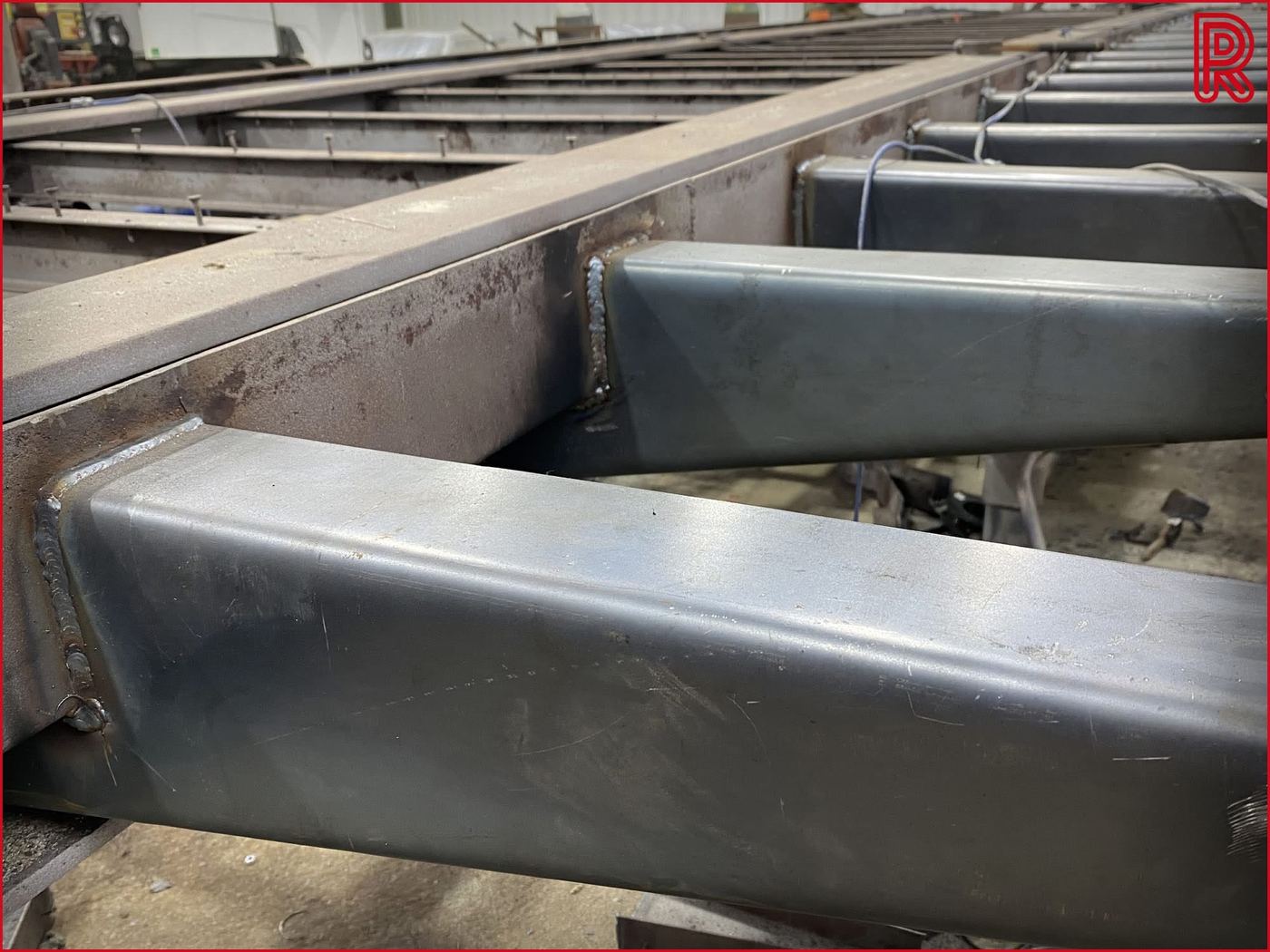
Vehicles in coastal counties rust faster because salt-laden sea air settles on exposed steel every single day, not just when the roads are gritted. The fix is a heavier-duty underseal, more frequent washing, and closer attention to the areas that take the worst of it.
Why coastal counties are different
Inland, a vehicle only picks up serious salt exposure during winter gritting — roughly October to March. Along the coast, salt-laden air blows onto vehicles year-round, whether they're driven, parked outdoors, or sitting near the sea front. That constant low-level exposure adds up faster than most owners expect, which is why we see chassis rot far earlier on vehicles in Galway, Kerry, Donegal, Mayo and Wexford's own coastline than on similar-age vehicles driven purely inland.
What sea air does that road salt doesn't
Road salt is seasonal and concentrated on the road surface, thrown up mainly by the wheels. Sea air carries fine salt particles that settle on every exposed surface of the vehicle — including areas road salt never reaches, like the roof, bonnet seams and door cavities. Combined with the higher humidity typical of coastal areas, that salt stays damp and active on the metal for longer.
The areas that suffer first
- Chassis rails and outriggers — the usual first point of failure on any vehicle
- Wheel arch liners and the steel behind them
- Door bottoms and sills, where salt-laden moisture collects
- Brake and fuel lines running along the underside
- Any exposed fixings, brackets or bolts
What proper coastal protection looks like
A full underseal with cavity wax injection is the baseline for any coastal vehicle, but we recommend a shorter top-up interval than for inland vehicles — every 2-3 years rather than 3-4 — because the constant salt exposure wears through even a heavy-duty coating faster. Cavity wax matters even more here, since sea air gets into box sections that road spray alone might not reach as consistently.
Simple habits that help between services
- Rinse the underside with a hose after long dry spells near the coast, not just after gritted roads
- Keep an eye on wheel arch liners and remove them occasionally to check the steel behind
- Don't ignore small surface rust spots — they spread faster in salt air than inland
- Park under cover where possible, especially for vehicles not driven daily
Vehicles most at risk
4x4s and vans doing coastal delivery or farm work are hit hardest because they combine daily salt-air exposure with rough underside conditions from tracks and lanes. If you run a work van in a coastal area, our guide to commercial van rust protection covers the fleet side of this in more detail.
County-specific notes
We see this pattern most clearly in customers travelling from Galway, Kerry, Donegal and Mayo — Atlantic-facing counties with the heaviest year-round salt air. If you're in one of those areas, it's worth checking our county guides for local detail, and a full underseal before your first Irish winter in a new vehicle is money well spent.
If you're near the coast and haven't had the underside checked in a while, book a free chassis check — we'll tell you honestly how much protection is left and what a coastal-spec underseal would cost for your vehicle.