
How road salt destroys a chassis
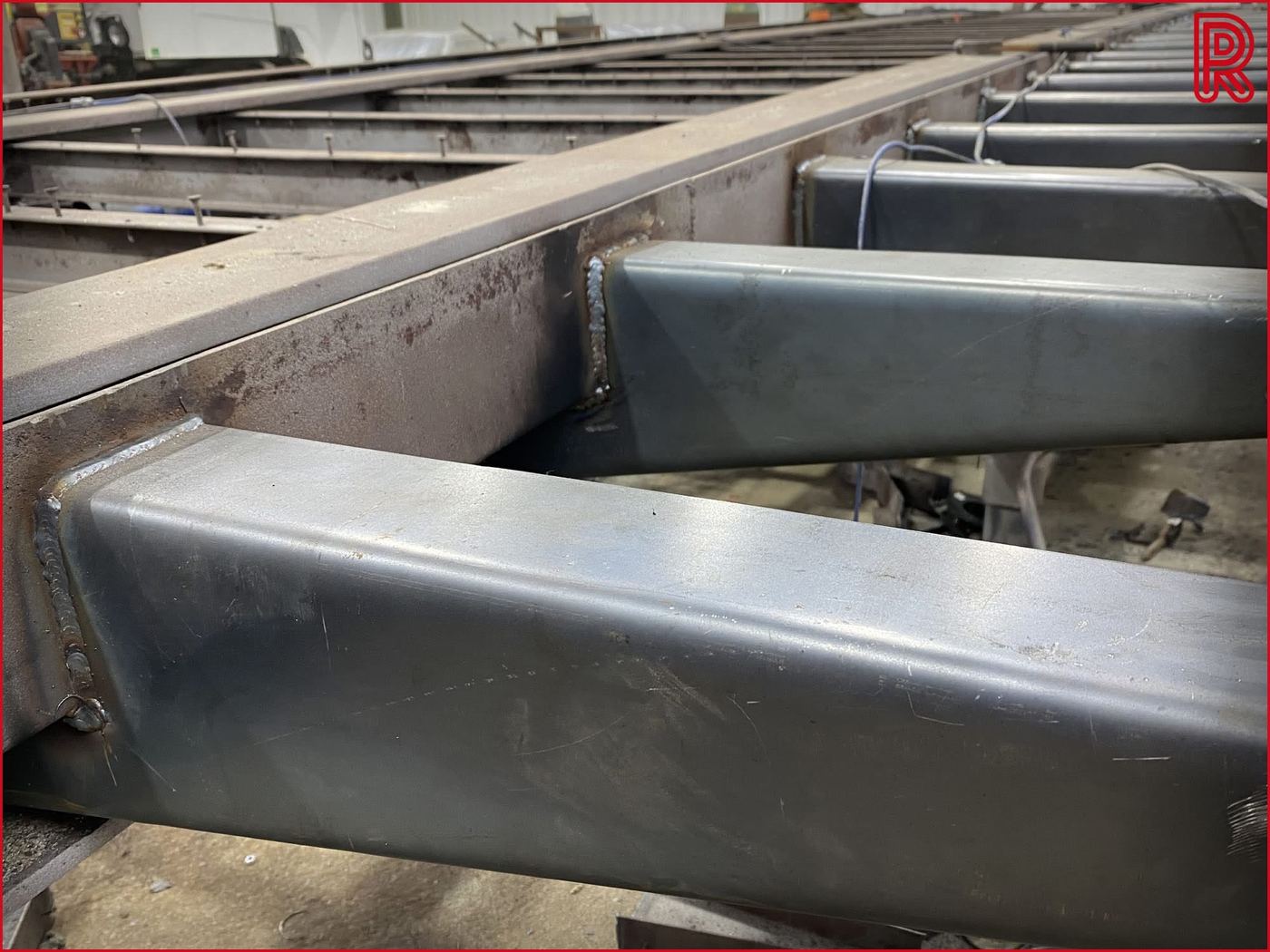
Nobody needs a chemistry degree to protect a chassis, but understanding what road salt actually does to steel makes it obvious why undersealing and washing after winter driving aren't just old wives' tales.
The plain-English version
Rust is iron reacting with oxygen and water to form iron oxide. On its own, that reaction is fairly slow. Salt speeds it up massively because dissolved salt turns water into an electrolyte — a liquid that conducts electricity far better than plain rainwater. That improved conductivity accelerates the electrochemical reaction happening on the surface of the steel, so the same amount of moisture causes rust to form much faster once salt is in the mix.
Why box sections are the worst-hit
Chassis rails, sills and outriggers are built from box-section steel — closed tubes with no drainage. Salt water gets flung up by the wheels, runs into these sections through small gaps and drain holes, and then just sits there. It doesn't evaporate quickly inside an enclosed steel tube, so the electrolyte stays active on the inner walls for days or weeks after the last salty drive. That's why rot so often starts from the inside of a box section and works outward — invisible until it's advanced.
Why washing helps more than people think
A regular underbody wash, even just with a hose, dilutes and rinses away the salt before it has time to sit and react. It won't reach inside sealed box sections, which is why cavity wax matters (see our comparison of undersealing and cavity rustproofing in a separate guide), but for the exposed underside — chassis rails, subframe, wheel arches — a wash after a spell of gritted roads genuinely slows the damage down.
Which vehicles suffer most
- 4x4s and vans doing rural or coastal routes with heavier salt exposure
- Vehicles parked outdoors that never get an underneath dry-off
- Older vehicles with factory underseal that's cracked or worn thin
- Anything doing short journeys where the underside stays wet longer
For vehicles that see the worst of this — vans and campers doing coastal work, or 4x4s on farm and forestry tracks — see /van-underseal-ireland and /campervan-undersealing-ireland for how we protect the specific weak points on those bodies.
If your vehicle has done a few salty winters unprotected, it's worth getting the underside looked at before rust that's started on the inside of a box section works its way out. WhatsApp underside photos to 087 919 2193 for an honest assessment.