
How to prevent chassis rust: practical steps that actually work
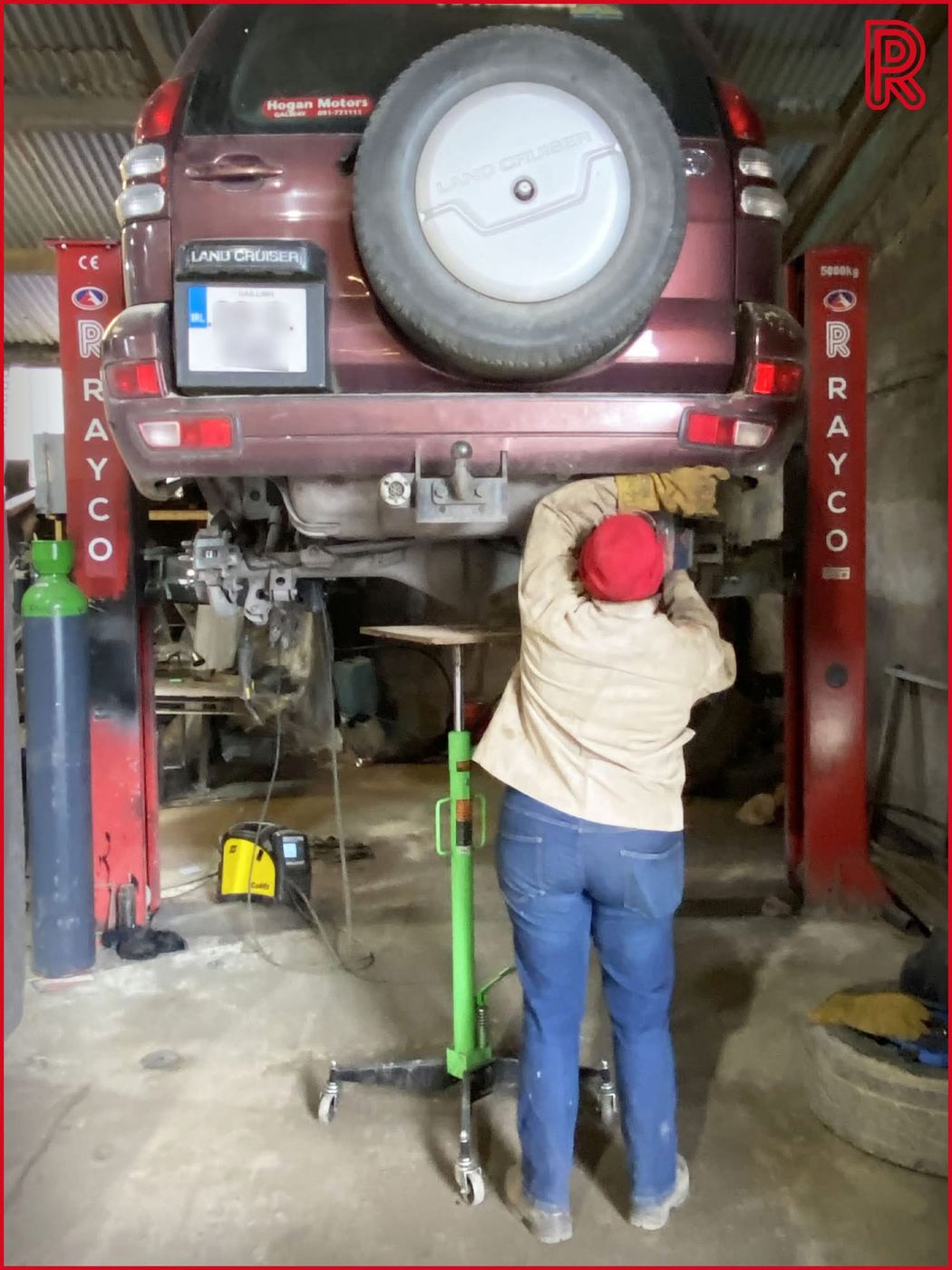
Preventing chassis rust comes down to three things: a proper protective coating applied before rust starts, regular washing to remove salt before it can react, and catching small surface rust early before it spreads. Do all three consistently and a chassis built to last 20 years will actually see out 20 years on Irish roads.
1. Get a proper underseal — and do it before rust starts
The single biggest prevention step is a full underseal with cavity wax injection, applied to a clean, dry chassis before any corrosion has taken hold. Coating over existing rust doesn't fix it — it seals moisture in against the steel and often makes things worse. If your vehicle is under a couple of years old, that's the best value time to get it done, while the chassis is still clean.
2. Wash the underside regularly, especially after winter driving
Salt water sitting on bare or lightly coated steel is what causes the damage — not the salt itself, but the time it spends in contact with the metal. A regular underbody rinse, even a basic hose-down, dilutes and washes away salt before it has time to fully react. This matters most after a spell of heavily gritted roads.
3. Check the usual weak spots regularly
- Chassis rails, front and rear — press for soft or flaking spots
- Outriggers where the body meets the chassis
- Sills, tapped for a solid rather than hollow sound
- Subframe mounts and spring hangers
- Brake and fuel lines running along the underside
Our guide to the ten signs your chassis is rotting goes through exactly what to look and feel for during a quick check.
4. Don't ignore small surface rust
A small patch of flaking rust caught early is a straightforward clean, treat and reseal job. Left alone through even one more winter, it often turns into something needing a cut-and-weld repair. If you spot anything, get it looked at rather than waiting for the next NCT to flag it.
5. Top up the coating, don't wait for it to fail completely
Even a heavy-duty coating with a 5-7 year lifespan benefits from a light top-up every couple of years, particularly on leading edges and low points that wear fastest. It's a small job compared to a full redo and it keeps the protection working at full strength continuously rather than in a slow decline.
6. Pay extra attention if you're in a high-exposure category
- Coastal counties — see our guide to protecting vehicles from coastal corrosion
- 4x4s and vans doing farm, forestry or rural routes
- Vehicles that do mostly short journeys and never get the underside properly dry
- Older vehicles with worn or cracked factory underseal
7. Have it checked by someone who welds chassis every day
A visual check from a distance misses most early rust. A workshop that inspects and repairs chassis regularly knows exactly where to press, tap and look, and can tell you honestly whether something is cosmetic or structural.
Want a professional set of eyes on your own vehicle before winter, or before your next NCT? Book a free chassis check, or see our underseal pricing guide if you already know it needs doing.