
How to tell if your chassis needs welding
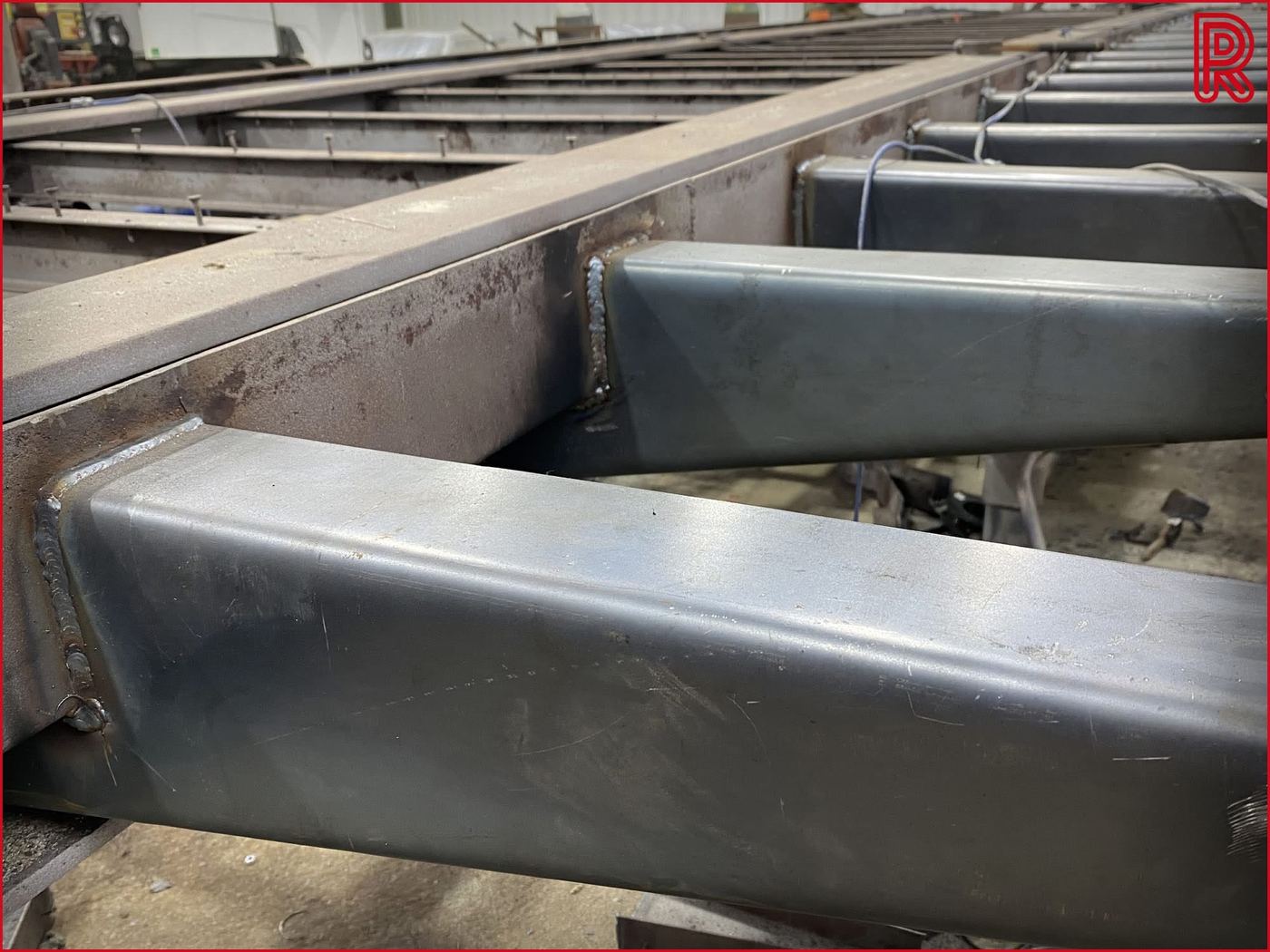
A chassis needs welding when corrosion has perforated the steel or thinned it enough that it no longer carries load. Surface rust that still rings solid when tapped can usually be cleaned back and coated; steel that flakes into layers, gives under a screwdriver or sounds dull is past that point.
The four checks anyone can do
- Tap along the rails with a light hammer — sound steel rings, thin steel thuds
- Press firmly with a blunt screwdriver at low points and seams; anything soft is gone
- Look for orange staining running out of a seam, which means rot inside the box section
- Scrape flaking underseal where it has cracked — rust usually hides directly beneath it
Where to look first
Corrosion is predictable. On a ladder-frame vehicle, start with the rear rails behind the axle, the rear crossmember, outriggers, spring hangers and body mounts. On a car or van, start with the sills, jacking points, floor pan seams and suspension mounting areas.
Why the hole is always bigger than it looks
Box sections rot from the inside out, because that is where mud and water sit. By the time a hole appears on the outside face, the steel around it has already thinned. That is why a coin-sized hole often turns into a foot of replacement rail once the cutting starts — the repair has to reach clean, sound metal or the rust simply continues under the new steel.
Cosmetic or structural?
The practical test is whether the area carries load or holds a safety-critical component. Rails, outriggers, crossmembers, sills, spring hangers, subframe and seatbelt mounting areas are all structural. Corrosion there is a welding job, not a coating job.
Not sure which you have? Send photos to 087 919 2193, or read more on chassis welding in Ireland and vehicle rust repair.