
What is undersealing? A plain-English guide
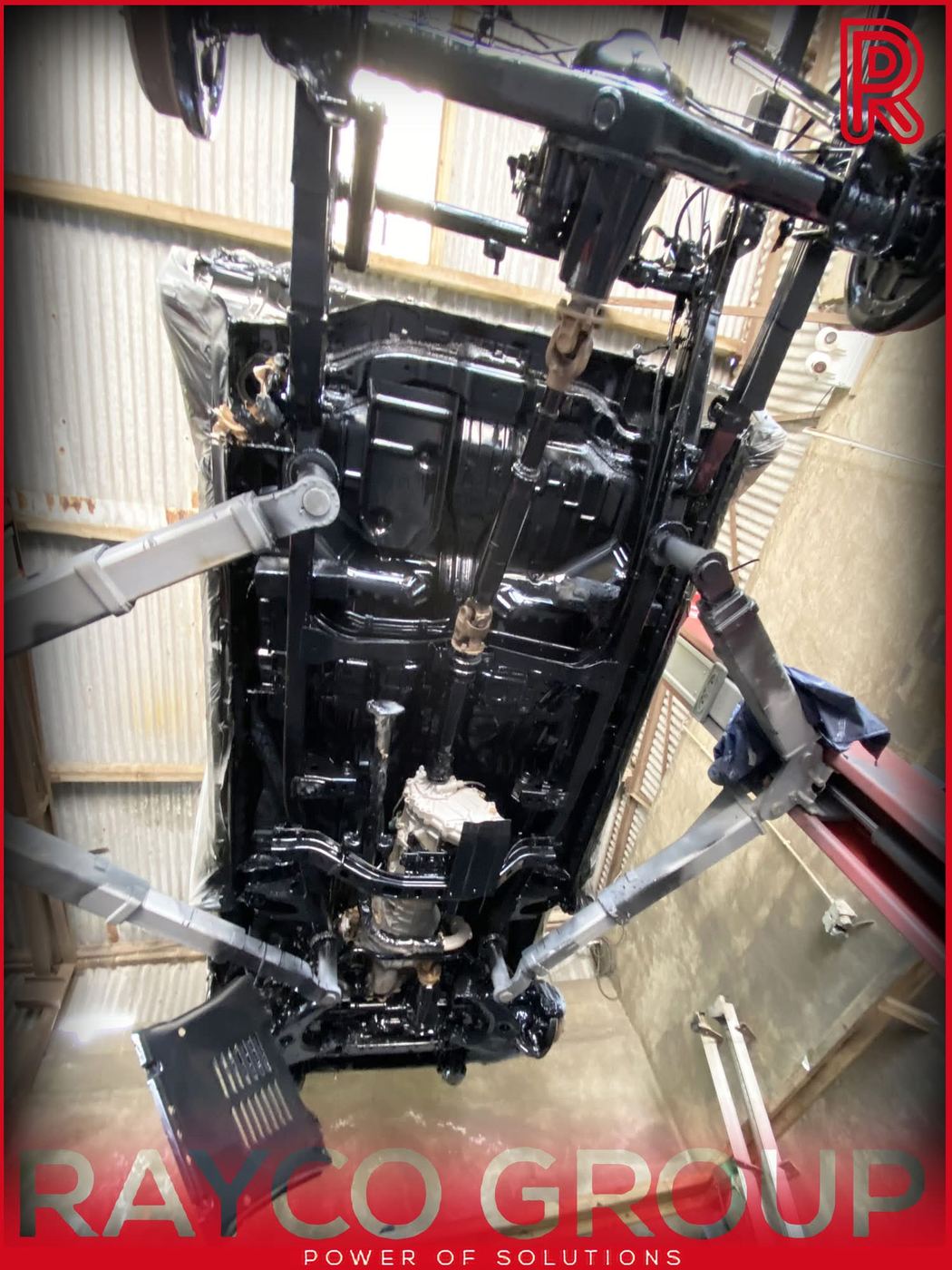
Undersealing is a protective coating — usually a heavy-duty rubberised or wax-based product — sprayed onto the exposed underside of a vehicle to stop road salt, water and grit from reaching bare steel. In short: it's a barrier between your chassis and the elements that would otherwise rust it through.
What exactly gets coated
A proper underseal job covers the chassis rails, floor pan, wheel arches, subframe and sills — every panel of exposed steel underneath the vehicle that's directly exposed to spray, rain and standing water thrown up by the wheels. On top of that, cavity wax is pumped into enclosed box sections that a spray gun aimed at the outside can never reach.
Why it's needed at all
Manufacturers apply some factory protection, but it's thin, sprayed at speed on a production line, and often patchy around welds and seams — exactly the spots where rust starts first. Once a vehicle is a few years old and has done a couple of Irish winters, that factory layer is rarely enough on its own.
What it actually stops
- Road salt reacting with bare steel and accelerating rust
- Rainwater and spray sitting on the underside for days at a time
- Stone chips wearing through thin factory coatings
- Rust starting invisibly inside box sections and working outward
How it's applied properly
A proper job starts with a full pressure wash and degrease, then a steam clean to lift salt and grime out of seams. Any weak or rotten steel gets cut out and welded before anything else happens — sealing a coating over existing rust just traps the problem. Then the vehicle goes into a heated spray booth for the underseal itself, with cavity wax injected into the box sections at the same time.
Underseal vs rustproofing
The two terms get used interchangeably, but they're slightly different jobs. Undersealing coats the outside of the exposed steel; rustproofing (cavity injection) protects the inside of enclosed sections. A proper job includes both — you can read more on the difference between undersealing and rustproofing.
Who needs it most
Every vehicle driven on Irish roads benefits, but it matters most for 4x4s and vans doing rural, farm or coastal miles, and for anything that's already a few years old. Coastal counties like Galway, Kerry, Donegal and Mayo see it worst because salt air adds to road salt exposure year-round.
How long it lasts
A wax-based DIY job might see out one or two winters. A properly applied heavy-duty rubberised underseal with cavity wax, done in a spray booth, typically lasts 5-7 years before it needs a full redo, with a light top-up recommended every couple of years in between.
The bottom line
Undersealing isn't a luxury extra — on Irish roads it's the difference between a chassis that lasts 20 years and one that fails an NCT on corrosion at 10. If you're weighing up whether it's worth doing on your own vehicle, our guide on whether undersealing is worth it goes through the factors in more detail.
Not sure what state your underside is in? Book a free chassis check and we'll give you an honest read on what it needs.