
Why undersealing matters on Irish roads
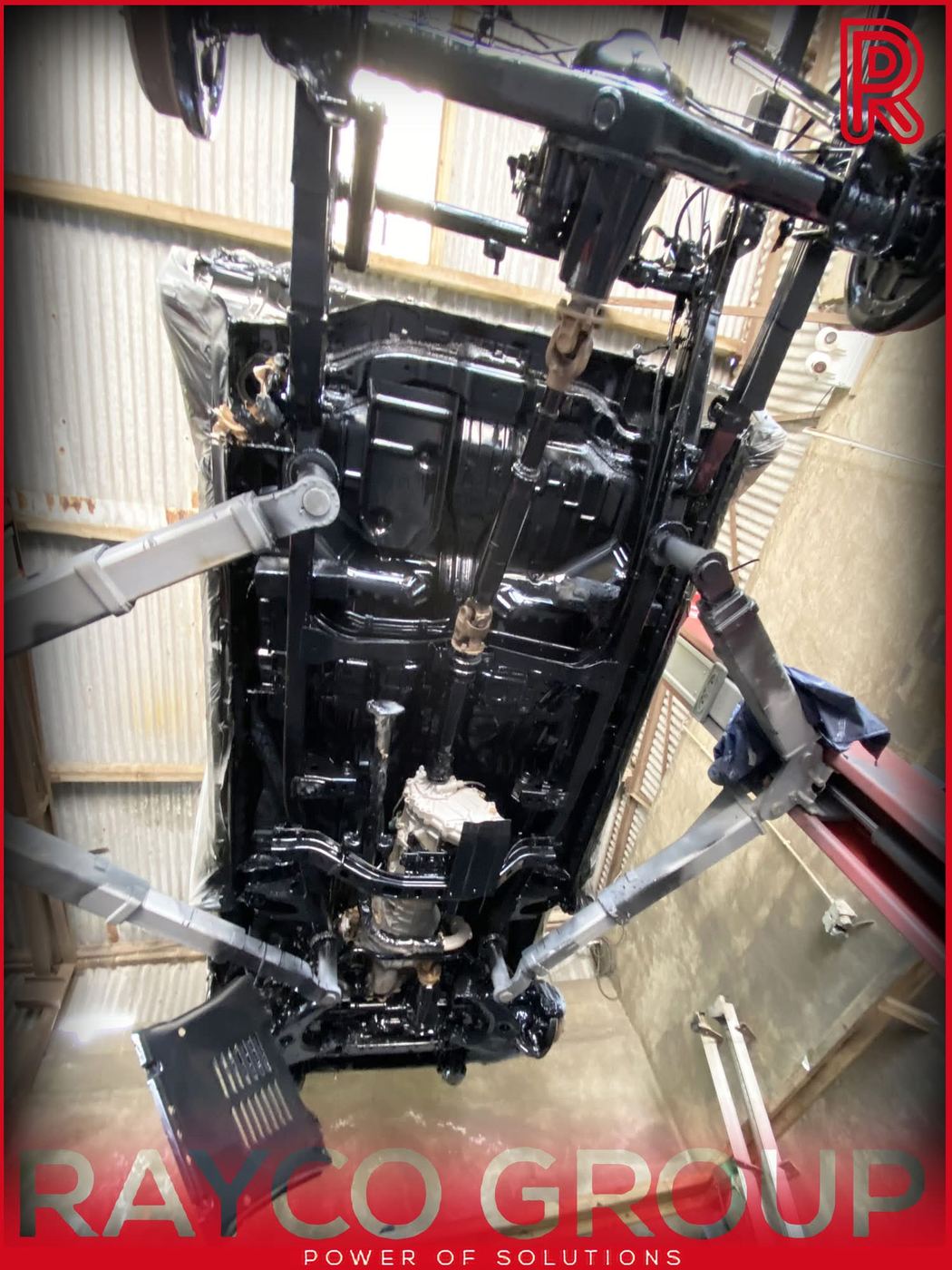
Ireland is one of the harder places in Europe to keep a chassis alive. It's not one thing that does the damage — it's rain, road salt, damp air and short journeys all working together, day after day, on the underside of a car nobody ever looks at until it fails an NCT.
Rainfall that never really stops
An Irish car underside is wet more days than it's dry. Water sits in box sections, along chassis rails and around brake lines, and it doesn't evaporate quickly in our climate. Bare or thinly coated steel starts oxidising within days of exposure — and once rust starts under a layer of road grime, you can't see it happening.
Road salt from October to March
Local authorities grit heavily every winter, and that salt gets thrown straight up onto the chassis, sills and subframe by the front and rear wheels. Salt water is far more aggressive than plain rain because it conducts electricity and speeds up the corrosion reaction. A chassis that would take fifteen years to rust through in a dry climate can be gone in seven or eight here.
Short journeys don't help
Most Irish driving is short hops — school run, shop, work — rather than long motorway runs. Short journeys mean the underside never gets hot enough or dry enough to shed the moisture and salt it's picked up. It just sits there, wet, between drives. That's the single biggest reason town-driven cars often rust worse than high-mileage motorway cars of the same age.
What undersealing actually does
- Puts a physical barrier between bare steel and salt water
- Seals seams and welds where rust usually starts first
- Cavity wax gets inside box sections rain can't reach on its own
- Buys years before the chassis needs cutting and welding
The NCT connection
Corrosion is one of the most common reasons Irish vehicles fail the NCT, and once a tester finds serious rot on a chassis rail or sill, it's a straight fail. We cover the repair side of that in detail on /nct-rust-repair-ireland, but the cheaper route is always prevention — a proper underseal before the rust starts, not a rushed weld job after a fail sheet lands in your hand.
What we recommend
For most cars, vans and 4x4s driven daily in Ireland, a full professional underseal every 3-4 years is the sensible baseline, with a check every winter in between.
Not sure what state your underside is in? WhatsApp a few photos of the underneath to 087 919 2193 and we'll give you an honest read on it — no charge, no obligation.