
Winter vehicle protection: a road salt and grit guide
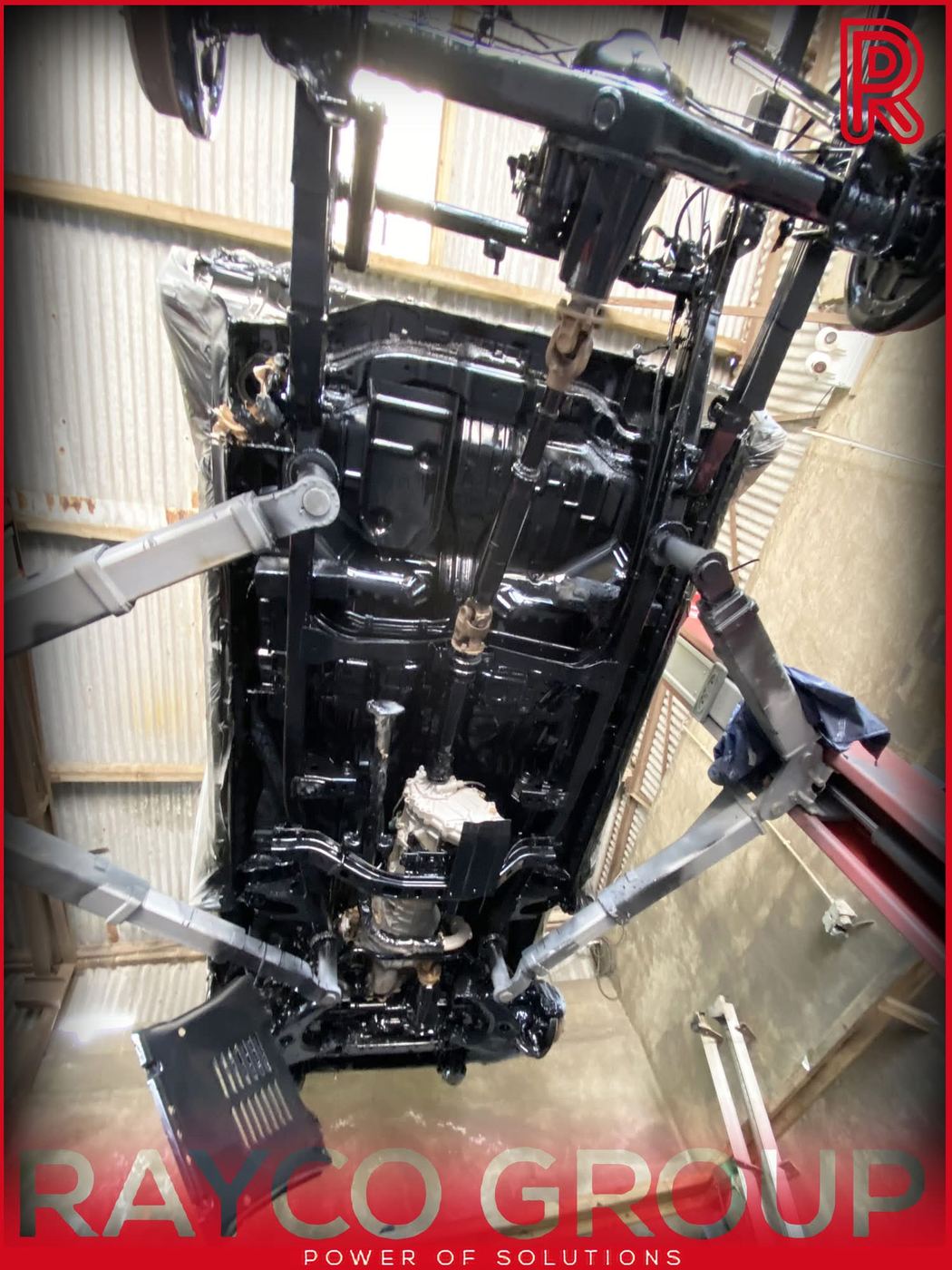
Irish winters put more corrosion damage on a chassis in four months than the rest of the year combined, because gritted roads throw salt water directly onto exposed steel every time the wheels turn. Preparing before winter and washing regularly through it are the two biggest things you can do to limit the damage.
Why winter is the worst period for a chassis
From roughly October to March, local authorities grit main roads heavily whenever temperatures drop. That salt gets flung up by the front and rear wheels straight onto the chassis rails, sills, subframe and wheel arches. Salt water conducts electricity better than plain rainwater, which speeds up the corrosion reaction on bare or thinly coated steel — so a chassis that might take 15 years to rust through in a dry climate can be gone in under 8 on salted Irish roads.
Prepare before winter, not during it
The best time to underseal a vehicle is late summer or early autumn, before the gritters go out — that gives the coating months to cure fully before it has to do any real work. If you're heading into winter without protection, don't wait until the roads are already salted; get it done as soon as possible rather than leaving it until spring.
Through the winter: simple habits that help
- Rinse the underside of the vehicle after any spell of heavily gritted driving, especially if you can get underneath with a hose
- Don't let salt-caked snow and slush sit in the wheel arches for days — it stays wet and active longer than people think
- Check wiper blades, washer fluid concentration and battery health, since winter breakdowns often compound underlying issues
- Keep an eye on any existing rust spots — they progress faster in salted, wet conditions
After winter: the spring check
Once the gritting season ends, it's worth getting the underside properly washed and inspected. This is when hidden damage from the winter often becomes visible — bubbling underseal, fresh surface rust, or box sections that picked up water they haven't fully dried out from yet. Catching this in spring is far cheaper than waiting for an NCT to flag it later in the year.
Vehicles that need extra attention
4x4s and vans doing rural or farm routes see more salt and grit thrown up than city-driven cars, simply from the road conditions and speed involved. Our guides on 4x4 undersealing and van undersealing cover the specific weak points on those vehicle types in more detail.
What a proper winter-ready underseal includes
- Full pressure wash, degrease and steam clean before anything is applied
- Cut and weld any existing weak or rotten steel first
- Cavity wax injection into box sections
- Two coats of heavy-duty rubberised underseal, applied in a spray booth
The bottom line
Winter is when the damage happens, but it doesn't have to be. A properly protected chassis going into October should come out the other side in spring with little to no new corrosion — and a quick post-winter wash and check keeps it that way year after year.
Heading into winter without protection, or not sure what state your underside is in after last winter? Book a free chassis check and we'll tell you honestly what's needed.